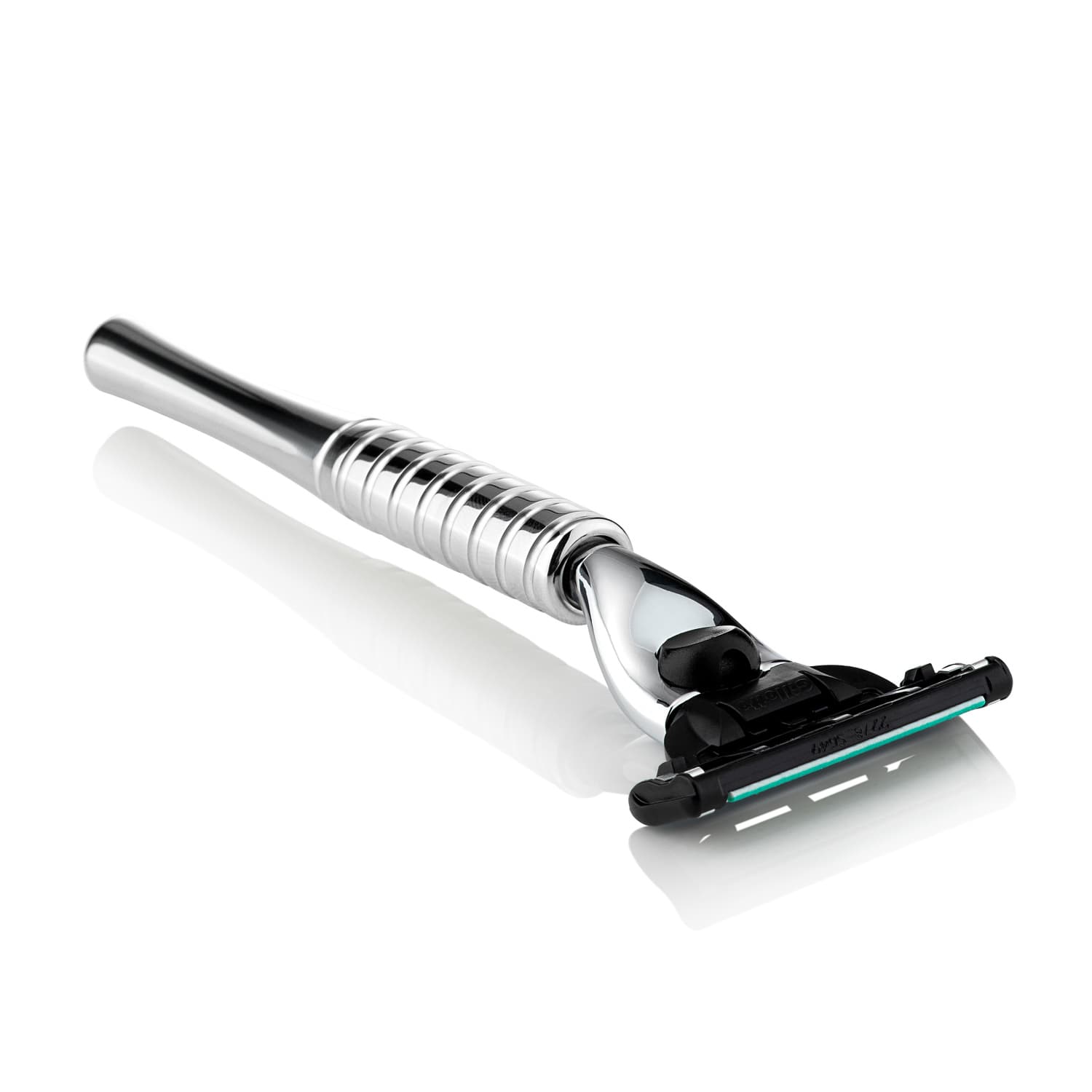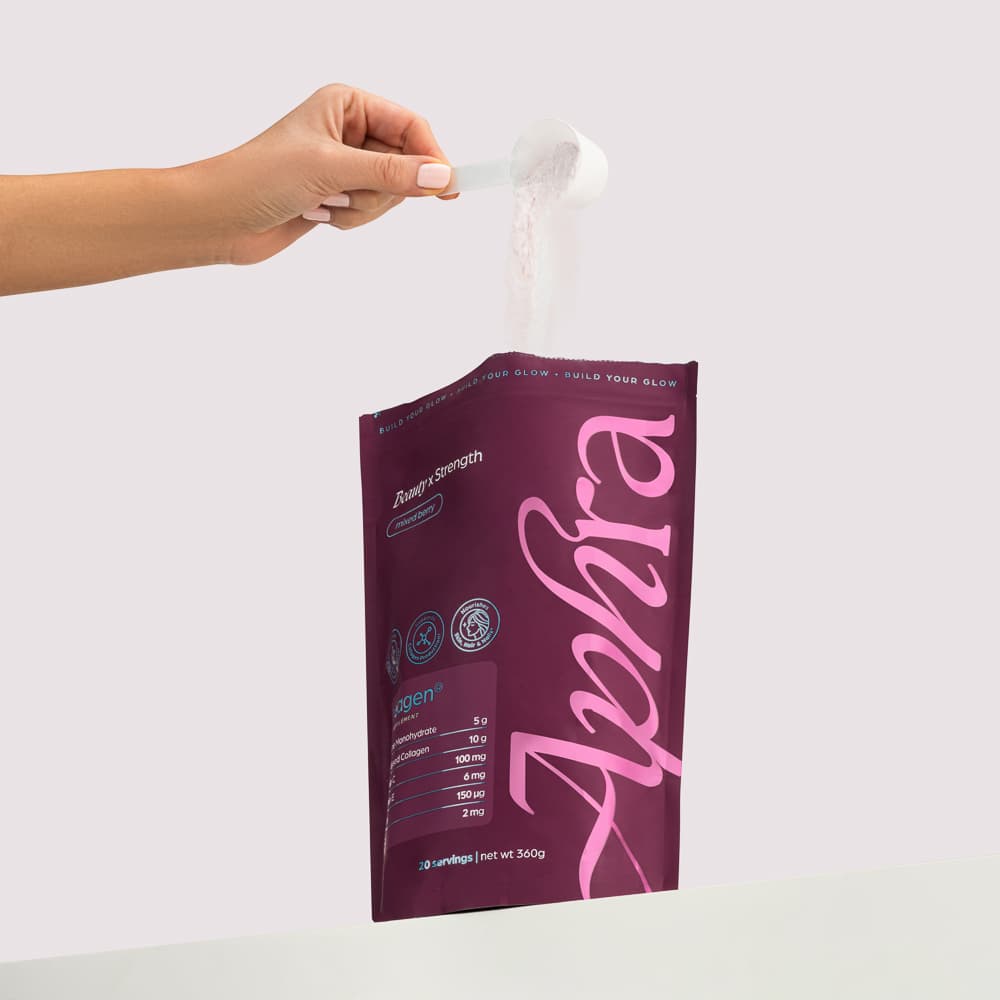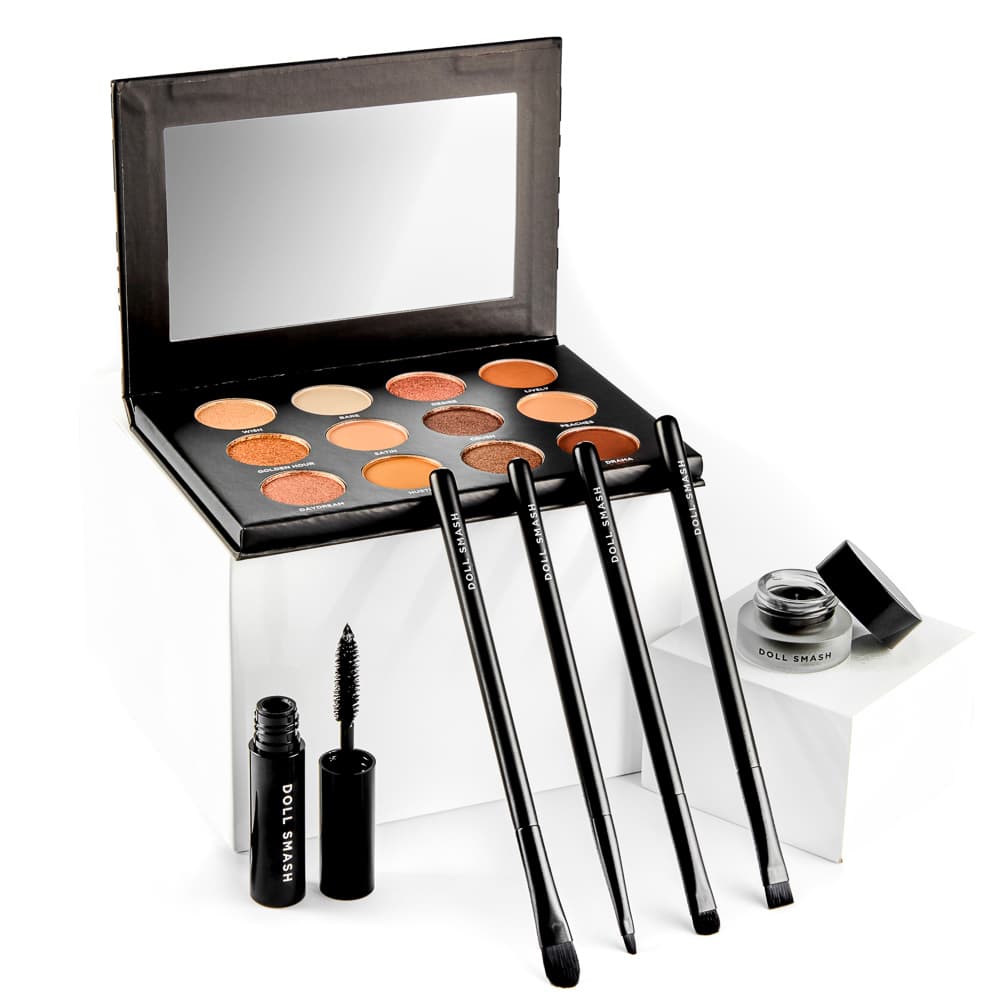
A good brief lets someone who has never handled your product understand what needs to be shown. It does not need to prescribe every lighting decision. It needs to identify the product, the purpose of the images and the details that must be right.
Start with one page and add references where they explain something words cannot. If you have only a product link and a rough idea, that is still a useful starting point for a conversation.
Define the product and quantity
List the products, variants and supplied accessories. State which items need individual images and which need group views. A photograph of three products together is a different deliverable from three separate photographs.
Flag prototypes, temporary labels and missing components. Tell the studio what the finished retail product will look like so sample limitations are addressed before capture.
Explain where the images will go
Name the website placements, marketplaces, advertising formats or print uses. Include known dimensions and any space needed for copy. A designer’s rough layout is often more useful than a vague request for “web images”.
Mark the essential outputs. If a schedule or budget is tight, the team should know which images the launch depends on and which can follow later.
Describe the visual direction
Choose a few references and explain what you like: soft shadows, a close crop, a restrained palette or a sense of movement. Also say what you do not want. References are starting points for a direction, not instructions to copy someone else’s work.
Keep fixed product facts separate from creative preferences. Accurate packaging is a requirement. Background colour may be a choice you want the photographer to help resolve.
| Include | What to provide |
|---|---|
| Products | Names, variants, quantities and supplied accessories |
| Image list | Separate compositions from final crop variants |
| Placements | Layouts, dimensions and space for copy |
| References | What you like about the light, crop or styling |
| Timing | Sample availability, delivery deadline and reviewer |
| Finishing | Retouching, graphics and export requirements |
Include the practical constraints
Give the deadline for finished files, sample availability, delivery arrangements and the person who will approve the work. Mention specialist props, models, product assembly or preparation. Confirm whether products need returning and whether an alternative address will apply.
Ask what the estimate includes: capture, retouching, design, variants, revisions and file exports. Do not assume a request for transparent backgrounds or layered files is covered without discussion.
Use a final check before sending
Can the studio identify every product and image? Is the intended use clear? Are the important dimensions and claims verified? Is there a realistic review window? If something is undecided, label it as a question rather than leaving a gap.
You can share a rough brief with PMP and refine it together. For ongoing changes during a project, see working to a brief.